
Position Overview
Yasin Arafat is the DevOps Engineer at CORPIUS, responsible for the full lifecycle of the platform's technical infrastructure — from initial server provisioning to production deployment pipelines, monitoring, security hardening, and reliability engineering. He ensures that CORPIUS operates with maximum uptime, performance, and security for all users and internal systems.
Yasin's role is foundational to CORPIUS's ability to scale. Every feature the development team builds depends on Yasin's infrastructure to be deployed reliably, every client interaction depends on his monitoring to stay fast and secure, and every automation pipeline depends on his environment management to function correctly. He bridges the development and operations worlds, enabling the engineering team to ship confidently and safely.
Core Responsibilities
Infrastructure Management
- Provision, configure, and maintain all cloud servers (VPS, AWS, Hostd)
- Manage Linux server environments (Ubuntu) — OS updates, package management, hardening
- Configure and optimize Nginx/Apache web servers and reverse proxy setups
- Manage SSL/TLS certificates and ensure HTTPS enforcement across all domains
- Oversee DNS management, domain routing, and CDN configuration
- Implement firewall rules, IP whitelisting, and network security configurations
CI/CD & Deployment
- Build and maintain automated CI/CD pipelines (GitHub Actions, GitLab CI)
- Manage Docker containerization and container orchestration
- Configure and maintain staging, development, and production environment separation
- Implement zero-downtime deployment strategies and automated rollback systems
- Manage environment variables, secrets management, and configuration files securely
Monitoring & Reliability
- Set up and manage server monitoring tools, uptime alerts, and performance dashboards
- Implement centralized log management and log analysis systems
- Conduct incident response, root cause analysis, and post-mortem documentation
- Perform regular database backups, recovery testing, and disaster recovery planning
- Monitor API performance, error rates, and response time metrics
Skills & Expertise
Infrastructure & Cloud Skills
- Cloud Platforms: AWS (EC2, S3, RDS, CloudFront), VPS (Hostd, DigitalOcean, Linode)
- Linux Administration: Ubuntu Server, bash scripting, cron jobs, process management
- Web Servers: Nginx, Apache — configuration, load balancing, caching, optimization
- Networking: DNS, SSL/TLS, TCP/IP, firewall (UFW, iptables), VPN, CDN
- Storage: S3-compatible storage, NFS, backup automation, data retention policies
- Databases: MySQL, PostgreSQL — installation, replication, backup, performance tuning
CI/CD, Automation & Security
- CI/CD: GitHub Actions, GitLab CI — pipeline design, automated testing, deployment
- Containerization: Docker, Docker Compose — image builds, registry management
- Deployment Strategies: blue-green, rolling updates, canary releases, rollback
- Monitoring: Uptime Robot, Grafana, Prometheus, custom alerting, error tracking
- Security: SSH key management, fail2ban, intrusion detection, vulnerability patching
- Backup & Recovery: automated daily backups, point-in-time recovery, DR planning
- Performance: server profiling, query optimization, caching layers (Redis, Varnish)
Writing Specializations
- DevOps Best Practices — CI/CD setup, deployment strategies, environment management
- Cloud Infrastructure Guides — AWS, VPS configuration, cost optimization
- Server Security — hardening Linux servers, SSL, firewall, intrusion prevention
- Docker & Containerization — practical guides for web application deployment
- Database Management — backup strategies, replication, performance tuning
- SaaS Infrastructure Architecture — how to build reliable, scalable web platforms
- Technical Troubleshooting — guides for common server and deployment issues
Publishing Platforms
Articles by Yasin Arafat(2)
 Compliance & Lifecycle
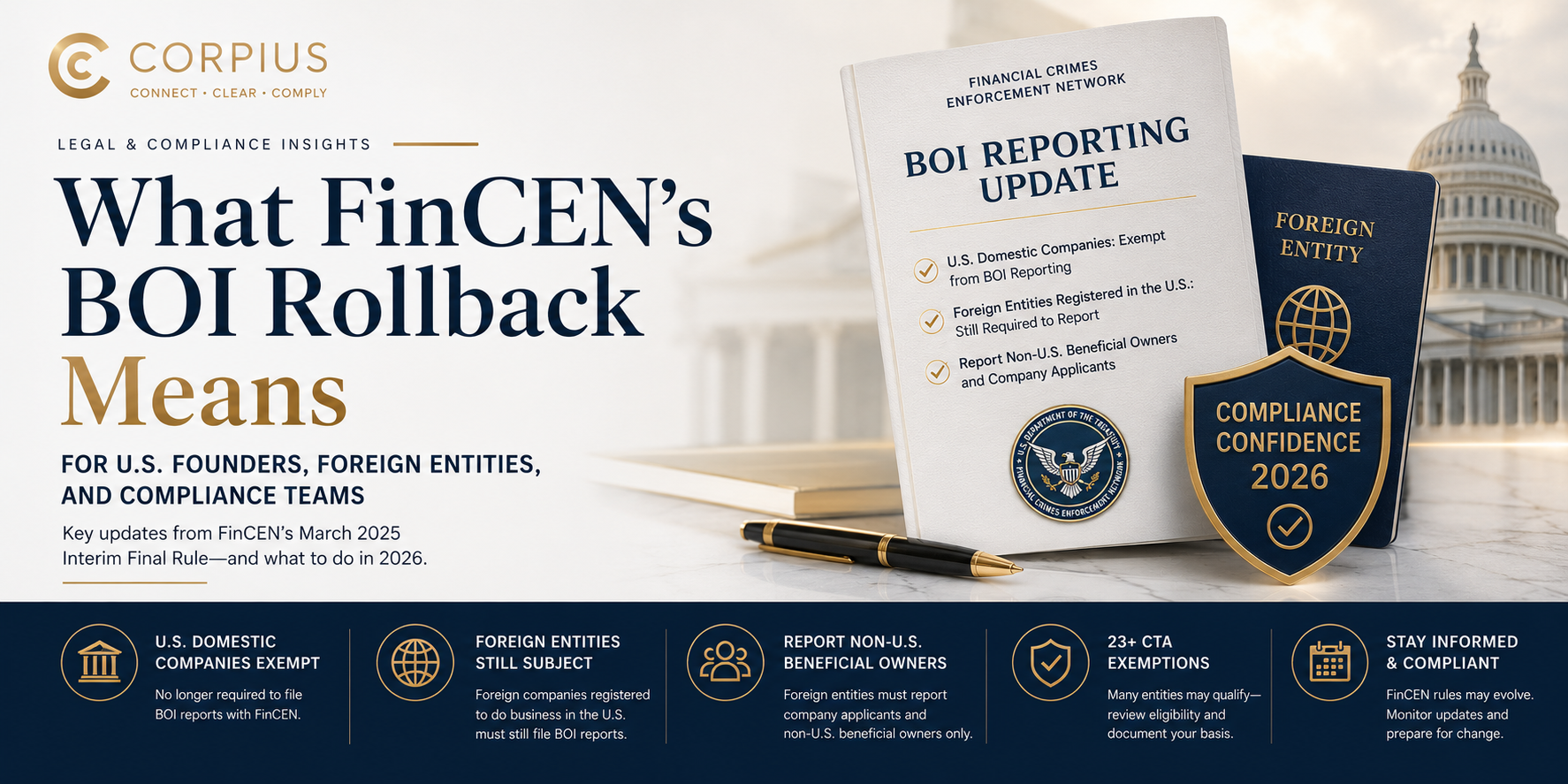
What FinCEN’s BOI Rollback Means for U.S. Founders, Foreign Entities, and Compliance Teams | CORPIUS
CORPIUS explains what FinCEN’s BOI rollback means for U.S. founders, foreign entities, and compliance teams in 2026, including the domestic company exemption, remaining foreign entity filing obligations, U.S. person exclusions, and the two-tier BOI compliance framework.
 Tax & Compliance
IRS Opens the Next Qualified Opportunity Zone Nomination Cycle: What States and Investors Need to Know | CORPIUS
CORPIUS - The 2026 Qualified Opportunity Zone nomination cycle opens July 1, giving states 90 days to nominate eligible census tracts. This guide explains OZ 2.0, rural opportunity fund benefits, key dates, and what investors should monitor before 2027 designations take effect.